It’s been a busy night in Hamburg, with the Crystal Cabin Awards winners being announced.
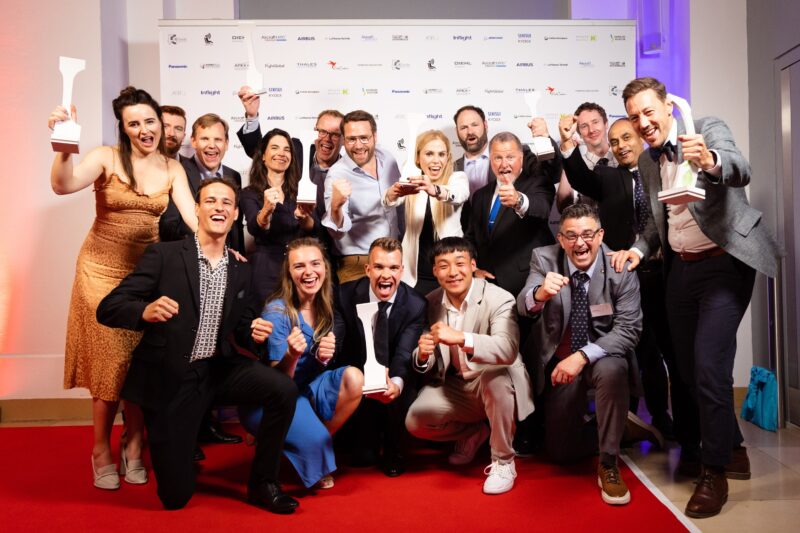
Seven Categories were challenged, with the winners announced at an awards show in Hamburg.
Let’s take a look at the winners and what they presented to get the award.
Cabin Concepts: Air New Zealand “Skynest”
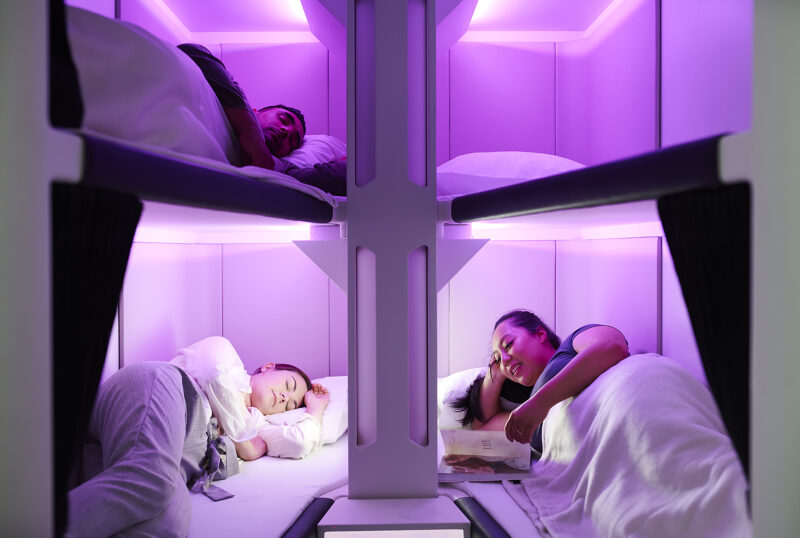
We’ve seen a lot of Skynest over the year, with it taking the award for Cabin Concepts. It will offer a never-before-seen option for economy passengers: lie-in bunks for up to four hours of rest and relaxation for the airline’s longest flights.
Each pod includes a full-size pillow, sheets and blanket, ear plugs, a separate reading light, a personal device USB outlet, a ventilation outlet and lighting designed for rest. The Skynest option will be available from 2024 on Air New Zealand’s ultra-long-haul routes to North America, including Chicago and New York.
Cabin Systems, Materials and Components: Thales Avionics “Onboard Data Center”
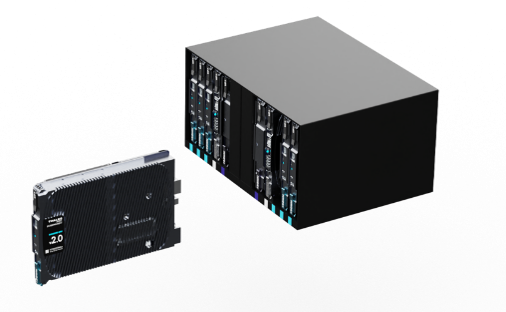
Thales Avionics’ Onboard Data Center (ODC) introduces an IT architecture to commercial passenger aircraft that uses a system of “server blades” sharing storage and computing capabilities.
The jury was particularly impressed by the prospect of using web-based technologies in the air that are already in widespread use on the ground, as they offer up to ten times the capacity of existing IFE servers, with server modularity and upgradability.
Health & Safety: Teledyne Controls “ACES”
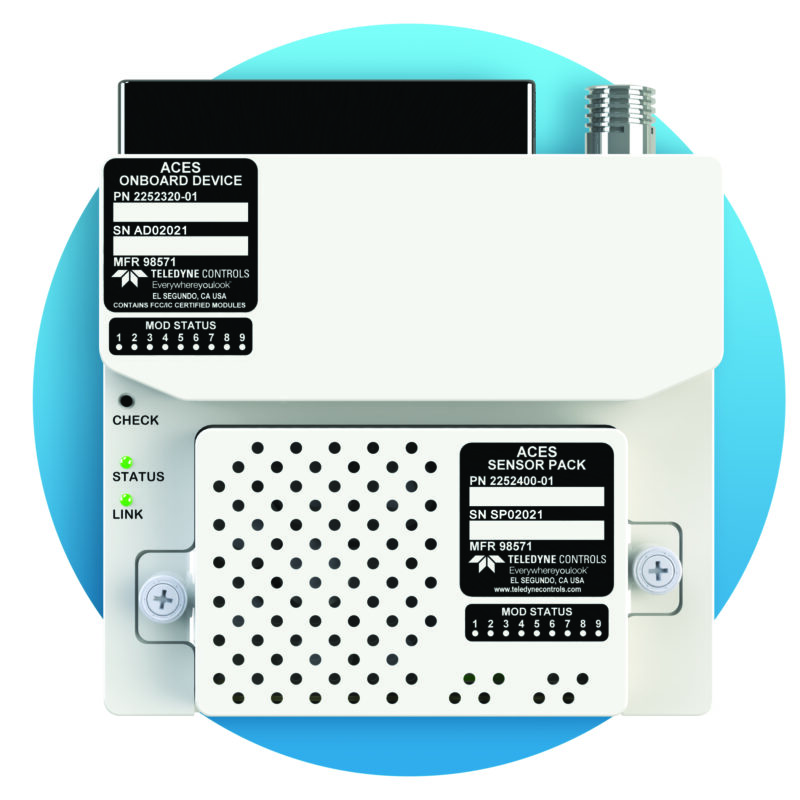
With its cabin air quality monitoring system ACES, Teledyne Systems is a product that allows operators to monitor air quality in the cabin more effectively than ever before, with benefits for passenger safety and wellbeing. ACES monitors several parameters in real time and relays the data directly to ground stations. The system uses laboratory-standard sensors to check airborne particulates and gasses such as carbon dioxide, carbon monoxide, ozone, and volatile organic compounds.
While the system provides new insights into cabin air quality, the jury like ACES’ ability to reduce airline maintenance costs and aircraft downtime by allowing operators to validate repairs on-board with no additional sensor systems required.
Passenger Comfort: Collins Aerospace “Intelisence”
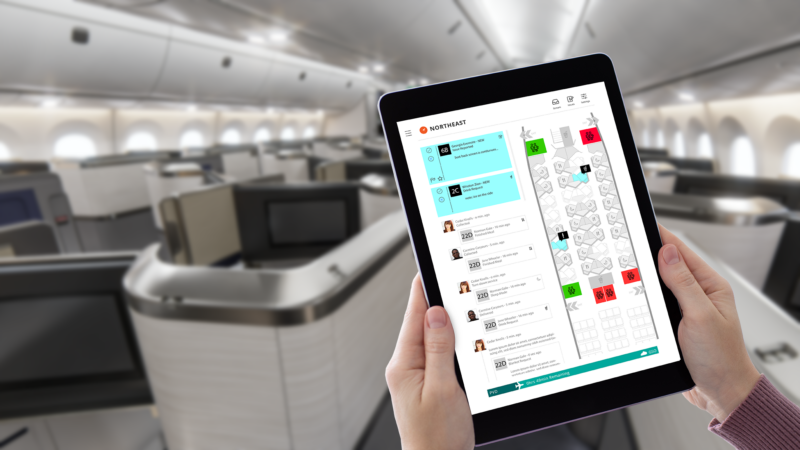
Collins Aerospace’s Intelisence capitalises on developments in artificial intelligence to leverage data gleaned from cameras and sensors to predict passengers’ ideal travel experience.
Anticipating the needs of the customer before they reach for the call button could let airlines provide a more seamless service. Yet the data generated could also allow operators to plan resources more effectively, reducing waste and increasing efficiency. At the same time, data about passenger needs are collated and presented to cabin crew in a way that reduces workload, bringing potential benefits for the crew, as well as passengers.
IFEC and Digital Services: AirFi, coop. Iridium “LEO Connectivity Solution”
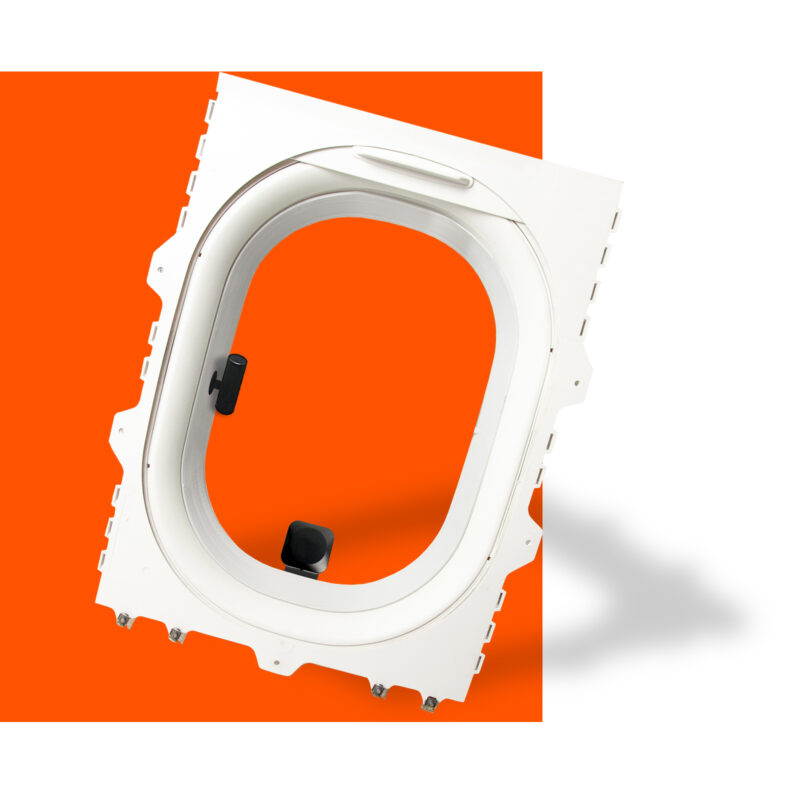
The LEO (Low Earth Orbit) Connectivity Solution by AirFi and its cooperation partner Iridium took the IFCE and Digital Services Award. The LEO Connectivity Solution connects to the Iridium Certus system using a pen-sized antenna housed in the window frame that costs substantially less than typical broadband antenna solutions.
The system offers added connectivity for both passengers and crew; travellers can chat with family, friends and co-workers on WhatsApp and iMessage, while the crew can use the system to access ACARS transmissions or validate credit card payments.
Sustainable Cabin: Lantal Textiles “Deep Dyed Carpet”
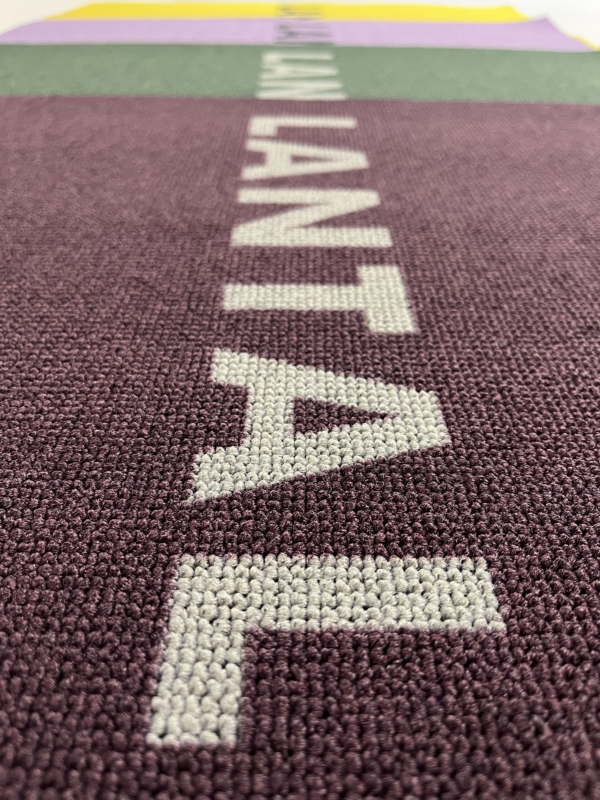
Deep Dyed Carpet by Lantal Textiles takes the sustainable cabin award. The winning entry shows potential to improve the ecological footprint of aircraft cabins in multiple ways, saving not only 60% of water and 80% of waste during production but also aircraft weight and thus CO2 emissions.
At the same time, this ultra-lightweight carpet is visually customizable to the customer’s needs. To achieve this, Lantal Textiles devised a new digital deep dyeing technology for carpets, an advance rewarded by the jury with the Crystal Cabin Award 2023.
University: Technical University of Delft “Lightweight Aircraft Seating”
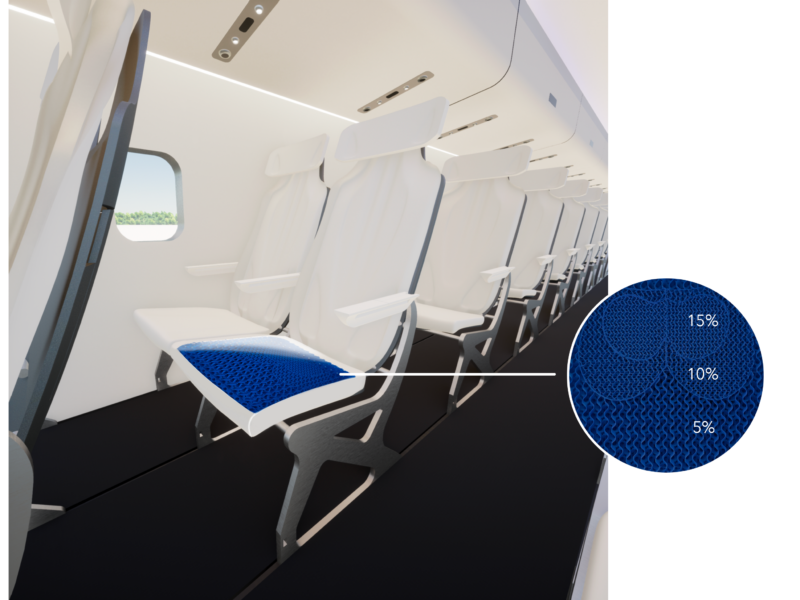
A team from the Technical University of Delft for Lightweight Aircraft Seating took the Unviversities Award. This concept uses 3D-printed using sustainable fibres, this lightweight seat cushion reduces the amount of material needed while supporting the passenger’s body in an optimal way and at the same time reducing the weight of each seat and the aircraft overall.
In Quotes
Lukas Kaestner, President of the Crystal Cabin Awards Association said:
“This year’s submissions included many outstanding innovations that set new standards for the passenger experience,”
“It’s especially exciting that some of these stunning products will be flying very soon, while others offer a more tentative vision of air travel in the future. It’s been amazing to see the passion and commitment of the industry to offer a new level of service for passengers, crews and airlines. The award has again shown its potential as a strong indicator of both technology trends and emerging passenger needs, cementing its valuable function in the wider aviation industry. We’re already looking forward to hosting the event in Hamburg again next year”
Welcome to Economy Class and Beyond. Your no-nonsense guide to network news, honest reviews, in-depth coverage, unique research, as well as the humour and madness I only know how to deliver.
Follow me on Twitter at @EconomyBeyond for the latest updates, as well as Mastodon too! You can follow me on Instagram too!
Also, remember that we are part of the BoardingArea community, bringing you the latest frequent flyer news from around the world.